Washington DC Parking Cashout Law: New Requirements
Posted: 01/13/23
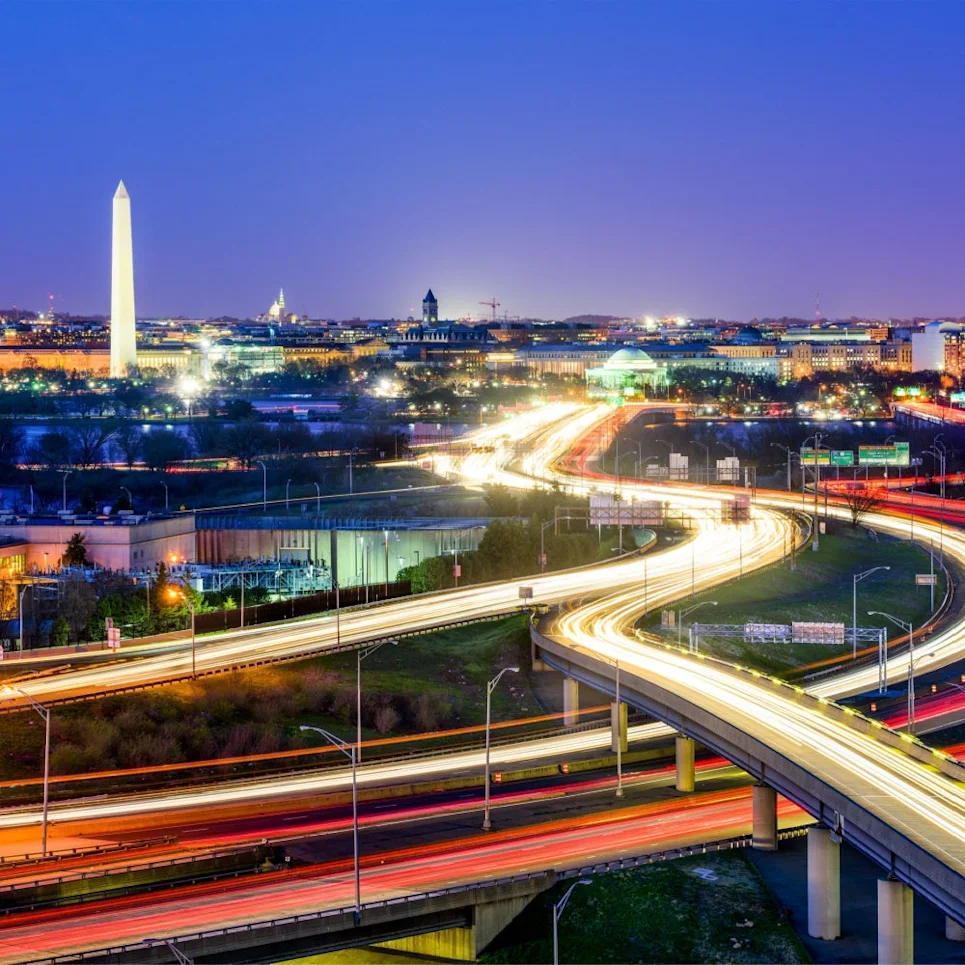
Washington, D.C. has an established transit benefit requirement which encourages workers to take public transportation, rideshare or use greener means of transportation.
Organizations with 20 or more employees working in the District of Columbia are required to offer employees one (or more) of the following commuter benefit options:
Employee-paid pre-tax contribution
Employer-paid direct benefit
Employer-provided shuttle or vanpool
Under the Transportation Benefits Equity Amendment Act of 2020, also knows as the “Parking Cashout Law,” there is a new reporting requirement to ensure adherence to the law. A clean-air transportation fringe benefit must also be offered by employers with 20 or more employees that provide parking benefits.
The “clean-air transportation fringe benefit” refers to any of the following benefits provided in addition to compensation, and in an amount equal to or greater than the monthly market value of the parking benefit offered to the employee:
Commuter highway vehicle transportation to and from employee residence and place of employment;
Transit passes;
or
Reimbursement for qualified bicycle commuting.
If non-compliant, the employer must pay a clean air compliance fee of $100 per month for each employee offered a parking benefit or successfully implement a transportation demand management plan by January 15, 2023.
The transportation demand management plan must reduce the prior year's employee commuter trips by a minimum of 10% until 25% or fewer employees’ commuter trips are made by car.
Covered employers must submit a report to the District Department of Transportation (DDOT) via a reporting dashboard by January 15, 2023, and every two years thereafter. The report will include information related to the compliance option the employer has selected and whether the employer is subject to any exemptions.
Additional requirements apply if the parking benefit offered to employees are:
For parking personal vehicles not used in the regular performance of their work;
On or within 0.5 miles of the business located in the District of Columbia;
An addition to their compensation directly from the employer or through an employer subsidy;
and
At less than market value or free of charge to the employee.
Organizations that own the parking spots used by employees before and after the applicability date of the amendments are not subject to the additional requirements. However, employee parking spots leased by the employer before the amendment are subject to the additional requirements after the current lease term expires.
The DDOT has created an employer toolkit for navigating the law with detailed instructions for employer compliance and links to required forms and templates.
Get Expert HR Support When You Need It
See how isolved HR Services can help you simplify compliance, strengthen your employee experience and free up time to focus on what matters most.
Author
isolved
Related Posts

Financial Literacy Month 2026: Turning Knowledge into Financial Confidence at Work
Learn how to build financial confidence at work. Financial literacy, tools and employer support come together to reduce stress and help employees make informed financial decisions.
Read More
Why Your 401(k) Plan Feels Harder to Manage Than It Should
Read how 401K plan management becomes complex with disconnected systems. Learn what causes administrative burden, compliance risk and inefficiencies in retirement plan operations.
Read More
The Strategic Impact of Benefits on Today’s Workforce
Explore how a modern employee benefits strategy improves hiring, loyalty and overall workforce experience. Learn how tech and virtual care close the gap in today’s HR.
Read More