Auto Dealership HR Compliance: Strategies for Protecting Your Business and Employees
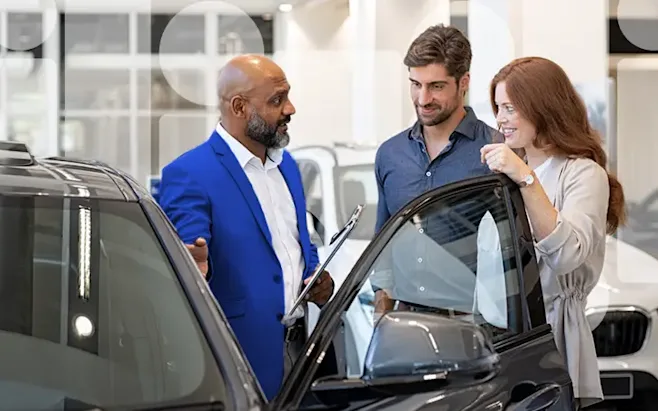
Managing human resources (HR) compliance at an auto dealership can be complex, but it doesn’t have to be overwhelming. Effective dealership compliance helps your business avoid costly legal issues, protects consumer data and creates an ethical work environment and stronger business performance.
Dealership compliance includes:
Managing vendor relationships with transparent encryption and secure data-handling practices.
Designating qualified HR team members to oversee ongoing compliance management.
Implementing compliance training programs that address employment laws and dealership operations.
Understanding key regulations, like the Equal Credit Opportunity Act (ECOA), to foster fair lending practices and ensure consumer rights.
isolved helps auto dealers simplify HR compliance by connecting HR, workforce management and compliance services in one platform, giving HR teams better visibility.
As you review these common compliance considerations below, keep in mind that this information is intended for general guidance only and should not be considered legal advice.
Understanding Dealer Compliance Regulations
Auto dealerships may need to manage federal, state and local requirements across employment, consumer finance, data security and workplace safety. Staying current on these requirements can help dealerships reduce risk, protect employee and customer information and maintain more consistent operations.
Key regulations that directly affect auto dealership compliance include:
Gramm-Leach-Bliley Act (GLBA) Safeguards Rule: Applies to many dealerships that finance or lease vehicles and requires covered businesses to maintain safeguards designed to protect customer information.
Used Car Rule: Requires covered used car dealers to display a Buyers Guide on used vehicles offered for sale.
Equal Credit Opportunity Act (ECOA): Prohibits discrimination against credit applicants on a prohibited basis in any aspect of a credit transaction.
Red Flags Rule: Requires many businesses, including certain dealerships, to maintain a written Identity Theft Prevention Program designed to detect warning signs of identity theft.
Regulation Z: Enforces clear disclosure of credit terms and pricing when offering financing.
OSHA Standards: Help guide workplace safety requirements that may apply to dealership employees, service departments and other work environments.
Effectively managing these dealership compliance requirements can help reduce operational risk and promote customer trust.
Maintaining Up-to-Date Compliance Knowledge
Auto dealerships must regularly monitor regulatory updates to maintain compliance. Dealers can leverage trusted resources such as the National Automobile Dealers Association (NADA) and the American International Automobile Dealers Association (AIADA) to access:
Timely legislative updates
Automotive industry news
Best practices for dealership operations
Proactively using these resources helps auto dealerships manage compliance audits and minimize compliance issues effectively.
Leverage Technology for Dealership Training and HR Compliance
Technology plays a direct role in managing HR compliance at auto dealerships. With a learning management system (LMS), automotive dealerships can centralize compliance training and track requirements across the workforce.
Key capabilities include:
Central access to current training materials through a built-in LMS
Automated alerts for expiring certifications and compliance requirements
Tracking of state-specific licenses, onboarding progress and required training
Standardized templates to support consistent compliance training across dealership groups
By automating training and tracking, dealerships reduce manual workflow gaps and improve visibility into compliance requirements. This supports stronger risk management and helps HR teams stay ahead of compliance issues tied to changing regulatory requirements.
isolved connects training with payroll, timekeeping and broader HR services, giving dealership HR teams a single system to manage their workforce. This approach supports employee engagement and retention by keeping team members informed and aligned with dealership policies.
Strengthening Data Security Practices
Auto dealership HR compliance extends beyond policies into how data is managed and protected. Automotive dealerships must adopt secure practices that align with updated GLBA requirements and broader legal requirements tied to data security.
Clear documentation is required to define how dealership groups handle both paper and digital records. This includes systems tied to payroll, onboarding and daily workflow. Without defined processes, compliance issues and risk management gaps increase.
Proper Vendor Management
Third-party vendors often access sensitive dealership data. Managing these relationships is a key part of compliance requirements.
Effective vendor management includes:
Ongoing risk management reviews for all external partners
Due diligence before onboarding new vendors
Continuous monitoring of vendor security practices
Alignment with internal compliance audits and policies
Secure Encryption Solutions
Encryption protects customer and employee data across dealership operations. The right technology partner simplifies implementation and supports secure data handling without adding manual work.
Automotive dealerships should focus on:
Encrypting sensitive HR and payroll data
Securing communication between systems and vendors
Supporting compliance requirements tied to data protection
Action Steps for Dealership HR Teams
To strengthen auto dealership HR compliance, HR teams should take a structured approach:
Review and update vendor management processes to reduce risk
Evaluate encryption tools that align with dealership workflows
Train team members on handling sensitive data and preventing compliance issues
isolved supports these efforts by connecting HR and payroll in one platform. This allows dealerships to automate key processes, improve visibility and manage compliance requirements with greater control.
Designating Qualified Individuals for Compliance Management
Auto dealership HR compliance requires clear ownership. Dealerships must assign qualified individuals to manage compliance programs and oversee day-to-day execution.
These roles require working knowledge of data security, access controls and training requirements tied to federal regulations such as those enforced by the Federal Trade Commission (FTC). Without defined ownership, compliance issues can go unchecked across dealership operations.
Roles and Responsibilities
Designated compliance leaders should manage both strategy and execution across dealer groups. Key responsibilities include:
Maintaining current policies aligned with compliance obligations
Monitoring regulatory updates that impact dealership operations
Leading compliance audits and documenting findings
Managing communication across departments, including HR and service advisors
Reviewing pay structures, including flat-rate compensation models, for compliance risks
Strong oversight improves risk management and creates accountability across the organization.
Training Employees Across Departments
Compliance management depends on consistent training across all roles within automotive dealerships. HR teams should support training that covers:
Used Car Rule requirements and ECOA obligations
Data security practices for handling employee and customer information
Identifying fraud risks and reporting red flags
Standard processes for background checks and onboarding
isolved supports dealership HR teams by connecting training, payroll and HR services in one system. This allows compliance leaders to track participation, manage requirements and keep teams aligned without manual follow-up.
When employees understand compliance expectations, dealership operations run with fewer disruptions and lower risk.
ECOA: Ensuring Fair Lending Practices
Auto dealership HR compliance includes fair lending practices tied to the Equal Credit Opportunity Act. ECOA prohibits discrimination when evaluating loan applications and applies directly to dealership operations that offer financing.
Failure to meet these compliance requirements can lead to penalties and damage customer trust.
Maintain Compliance with ECOA Regulations
HR teams and dealership leadership should support consistent processes across departments. Key actions include:
Develop clear policies for handling customer and applicant data
Train employees on proper procedures during the credit application process
Conduct regular compliance audits to identify gaps or bias
Promote inclusive practices across dealership groups and teams
Consistent oversight reduces compliance issues tied to inconsistent decision-making.
Use Technology to Support Fair Lending
Regulation Z adds additional requirements tied to pricing and credit disclosures. Together with ECOA, these rules require structured processes and accurate reporting.
Technology helps auto dealerships manage these demands by:
Standardizing compliance checks during the credit application process
Using data analytics to identify patterns that may signal risk
Standardizing workflow tied to credit reviews and approvals
isolved supports these efforts by connecting HR, payroll and compliance tracking in one platform. This allows teams to automate processes, improve visibility and align lending-related activities with broader risk management goals.
When systems are connected, dealership teams can manage compliance requirements with greater accuracy and less manual effort.
Strengthen Auto Dealership HR Compliance with the Right Approach
Auto dealership HR compliance impacts every part of dealership operations. From managing regulatory requirements to securing data and supporting fair lending, gaps in compliance can create risk across the business.
Strong compliance comes from a consistent approach:
Maintain up-to-date policies aligned with regulatory requirements
Assign ownership across HR and leadership teams
Standardize training and onboarding across automotive dealerships
Use technology to automate workflow and reduce manual errors
isolved supports automotive dealerships with a connected platform that brings together payroll, timekeeping and HR services. With isolved's learning management system, teams can manage training through a built-in LMS while tracking compliance requirements across roles and locations.
By automating compliance processes and centralizing data, dealership teams gain better visibility into risk management and day-to-day operations. This supports employee engagement and helps teams stay aligned with changing requirements.
Explore how isolved can support your dealership with tools designed for compliance, workforce management and long-term growth.
Related Resources

Filling Roles Across 600 New Locations
Discover how a fast-growing tire and auto service retailer simplified hiring to support rapid growth and hiring.
Read the Case Study
Phil Long Dealerships
An auto group simplifies HR across 14 locations with AI-powered recruiting and digital benefits enrollment
Read More
Preferred Parking Saves Time Processing Payroll for 200+ Locations
Learn how Preferred Parking saved 84 hours per month on payroll processing for their 200+ locations and reduced onboarding time by 8 hours per employee after moving back to isolved.
Read the Case Study