Referral Power: How Connections Drive Top Talent
Posted: 04/01/26
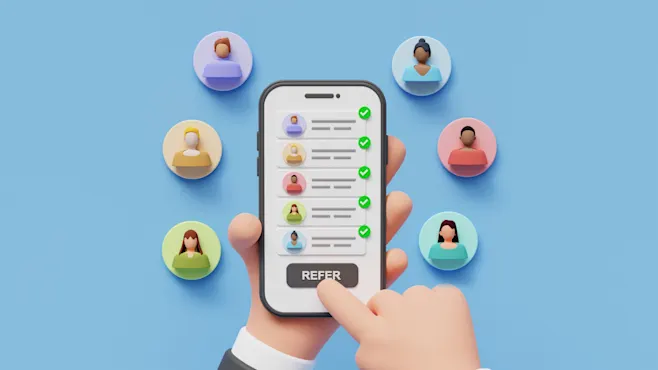
Employee referrals remain one of the most effective yet underused recruiting strategies. Not only do referrals lead to faster, more cost-effective hires, but they also present candidates who are more likely to commit for the long term and thrive within the organization. Despite the benefits, businesses often lack a structured referral program or struggle to foster meaningful employee participation.
By designing an engaging, well-communicated and continuously evolving employee referral program, organizations can transform their workforce into a strong talent pipeline.
In this blog, we’ll explore why referrals matter, the core elements of a referral program that works and how to turn a great workplace into a powerful recruiting advantage.
Unlocking the True Value of Employee Referrals
Did you know that 89% of HR leaders believe former employees would recommend their organization?1 Yet, many organizations still struggle to turn that goodwill into an effective recruiting advantage.
Your employees are your most powerful recruiting tool. When people love where they work, they naturally want to refer their trusted colleagues to join. Yet, too often, referrals are overlooked, leaving a gold mine of untapped talent.
Here are just a few of the top benefits employee referrals offer:
Faster hiring and access to passive talent: Because referred employees often come with company insights and personal connections, the hiring process is more efficient. Additionally, your employees might have existing relationships with qualified candidates who are passively looking, granting you a unique advantage in accessing passive talent. Maintaining a robust passive talent pool can help you fill roles as you grow, or when unexpected vacancies occur.
Higher retention rates and cultural fit: Current employees have likely had conversations about your company with their peers. Referred employees come equipped with a built-in understanding of the company culture, making it easier for them to settle in, contribute quicker and stay committed longer than those hired through other channels.
Cost savings from reduced turnover: Employee referral programs are more than just talent acquisition tools; they’re also great retention tools. With referred candidates, you’re likely to receive more engaged, qualified and better-fit hires. Thanks to the higher retention rates, you’ll likely save costs associated with repeatedly reposting the position.
Boosts employee engagement and loyalty: Due to their connection with existing employees, referred candidates will likely have higher employee engagement and loyalty based on their perception of the employer brand.
Cultivates authentic brand ambassadors: When existing employees love where they work, they are more inclined to share their experiences. As a result, you have built-in brand ambassadors to promote authentic talent acquisition channels and quickly find top talent.
The Blueprint for a Successful Employee Referral Program
Simply having a referral program isn’t enough. It requires an engaging, easy and rewarding experience for employees if you want to see consistent results.
Here are three ways to get started on building an employee referral program:
Clarify the purpose. Employees aren’t just passing along resumes; they’re helping shape the future of the organization. By framing referrals as a way to strengthen the team and culture they value, you make participation more meaningful. Clear messaging around why referrals matter builds investment and pride in the process, as well as mirroring the cultural fit you seek.
Gamify the process. Referral programs shouldn’t be transactional (though a referral bonus or other cash bonuses are still valuable incentives). Encouraging employees to participate can be done by adding fun, low-barrier activities, like leaderboards, raffles and points-based systems. The focus doesn’t need to be solely on hires; even small actions like sharing job postings or tagging the company on social media can be rewarded. Gamification is often the go-to employee engagement tool, especially in the recruitment process.
Review and refine. Monitoring key metrics like referral volume, conversion rates and retention of successful referrals is critical to keeping the program relevant and effective. Sharing this data with employees not only shows transparency but also highlights the tangible impact of their contributions.
An applicant tracking system (ATS) like isolved Attract & Hire automates the referral process by streamlining submissions and tracking referrals to simplifying rewards. An ATS turns the referral program into a seamless, engaging experience that encourages employees to refer more often.
From Engagement to Recruitment: Building a Self-Sustaining Pipeline
Hiring is more than just filling open positions—it’s about finding the right people who will stay, contribute and grow with your organization. Organizations that prioritize employee referrals gain a competitive edge, achieving shorter hiring timelines, stronger cultural cohesion and improved employee retention.
By championing employee referrals, you don’t just expand your recruiting pipeline, you also strengthen employee engagement, elevate your brand and create a culture where people are proud to recommend your workplace. The best part is that building an effective employee referral program can be simple: it just requires clear communication, consistent recognition and the right tools to keep momentum going.
Ready to take your hiring strategy to the next level? Discover the step-by-step strategies to turn your workforce into your greatest recruiting advantage in our free eBook, Championing Employee Referrals: Powering Recruitment Success Internally.
1 isolved’s “Elevating HR in the Age of AI” HR Leaders Report

Author
Lizz Forth
Content Marketing Specialist
Related Posts

AI Won’t Steal HR’s Job, but It Could Steal HR's Moment
Learn more about HR and AI agents and why HR is best positioned to manage them across the full employee lifecycle. Ownership, oversight, and accountability all start with HR.
Read More
HR AI Strategy: What 2026 Data Says About the Work Ahead for HR
Read more about HR AI strategy and what 1,000+ HR leaders reveal about adoption, outcomes, talent gaps, and managing a workforce that now includes AI agents.
Read More
Org Chart: An Underrated Asset in Your AI Strategy
Learn why your org chart is the key to smarter AI deployment. Structural visibility reveals bottlenecks, maps repetitive work and guides workforce planning before you invest.
Read More